
Georgetown · Williamson County
Flood Cleanup in Georgetown, TX
Our local water damage professionals remove floodwater, clean affected surfaces and assess wet materials in Georgetown, TX. If rainwater or runoff has entered your home, call from a safe place; your technician checks contamination, damage and the drying work needed next.
- Calls answered 24/7
- Local cleanup professionals
- Georgetown and surrounding communities
Flood cleanup services in Georgetown
- If outdoor water entered: Your technician assesses the affected rooms and treats contamination as a cleanup concern. Call even when the water looks clear.
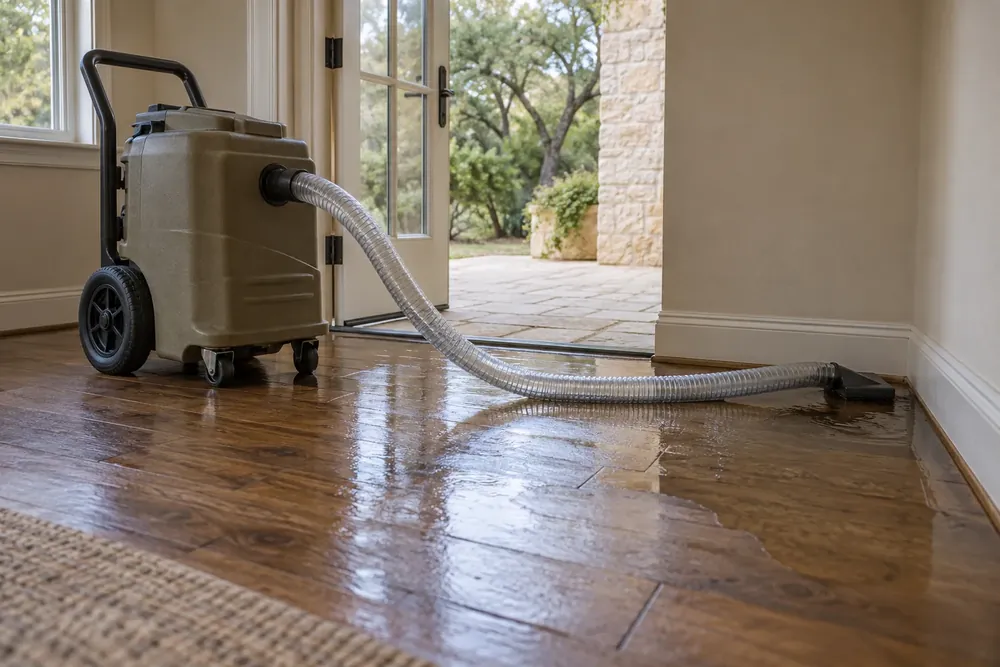
- If water remains indoors: Extraction removes standing water so the wet materials can be assessed. Call about the depth and spread during your conversation.
- If mud coats surfaces: Flood damage cleanup includes removing deposits and cleaning affected surfaces with methods suited to the contamination. Call about muddy floors and wall edges.
- If porous materials are damaged: Your technician identifies flooring, wallboard or insulation that needs removal rather than drying in place. Call to discuss what is wet.
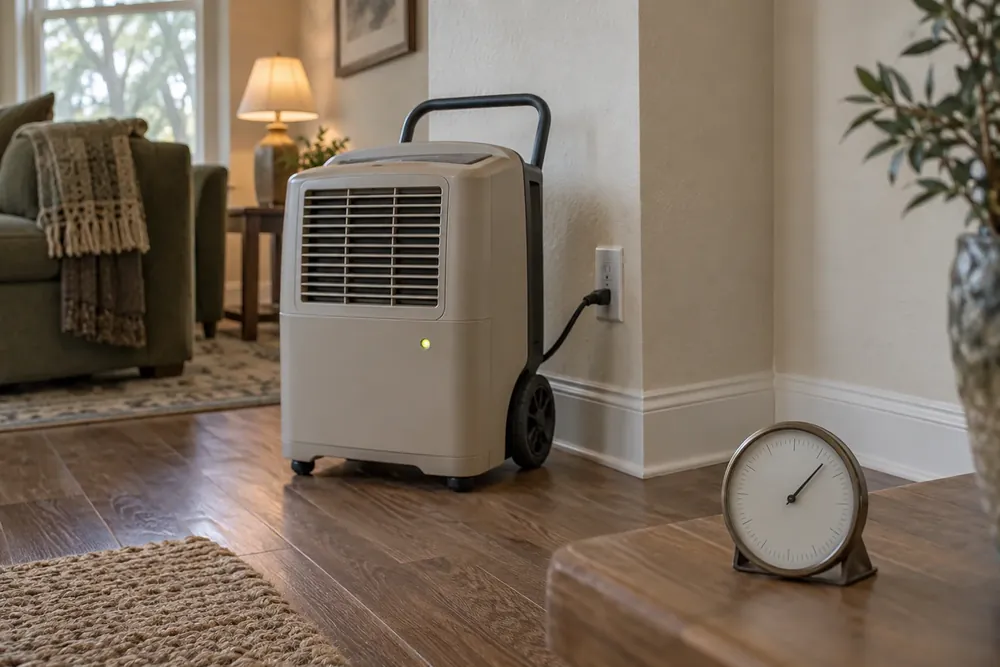
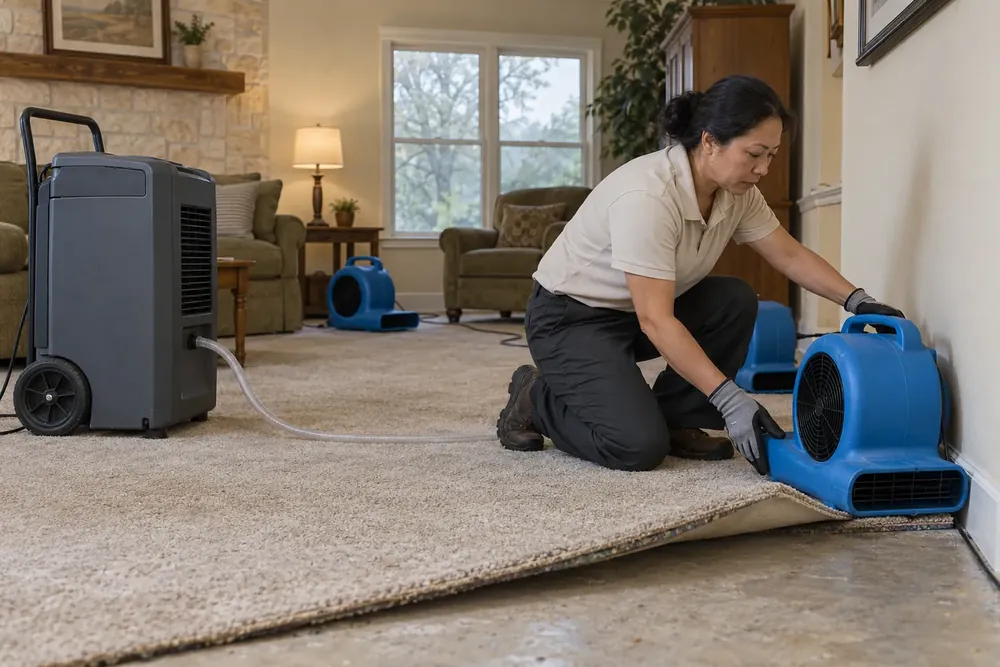
- If the room still holds moisture: Drying equipment and repeated readings track moisture remaining after cleanup. Call about the full drying scope, including documentation of affected areas.
If you see mud lines or water indoors
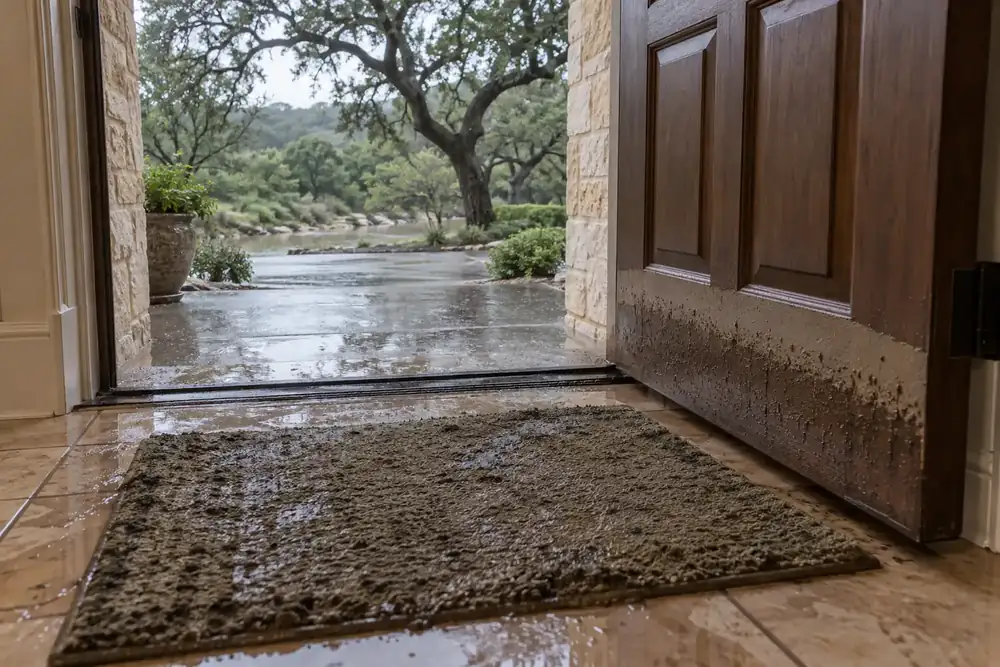
- If a mud line marks the doorway: Outdoor water reached the interior, even if it has receded. Avoid the wet area and call.
- If runoff entered within 48 hours: Fresh floodwater still presents contamination concerns. Keep out of it and call now.
- If rooms have stayed wet longer than 48 hours: Retained moisture raises concern for material damage and possible mold. Call for assessment.
- If wallboard softens or flooring lifts: Water may have reached beyond the visible surface. Call about the affected rooms.
- If a foul smell follows the flooding: Sewage or other contamination may be present. Stay clear and call.
How cleanup moves from water removal to drying
- If outside water entered your home, call from a safe location. Describe the entry point and wet rooms during the conversation.
- Your technician assesses contamination, material damage and moisture spread. If water is still entering, the plan accounts for the continuing source.
- Standing water and mud are removed, affected surfaces are cleaned, and unsuitable damaged materials are identified for removal. Your technician explains the work involved.
- Drying and moisture measurements follow cleanup. If cavities or flooring remain wet, the drying scope addresses them before repairs proceed; call with questions about the next stage.
What affects the cleanup price
If floodwater stays in one accessible room, the cleanup scope differs from water spread through flooring layers, insulation and wall cavities. Contamination, debris, damaged materials, access and the amount of drying all affect the work.
One of our local water damage partners will explain the scope and the price before any work starts.
If you're weighing cleanup and repairs, the water damage restoration cost guide describes the main cost factors. Call now about the affected rooms; your technician's assessment establishes which materials need cleaning, drying or replacement.
Why homeowners call when floodwater enters
- If you find water after hours: Calls answered 24/7 give you a way to describe the damage immediately. Call from safety.
- If you need local help: Georgetown professionals assess the water source, affected materials and drying needs. Call about the rooms that took water.
- If you want the scope explained: The price is discussed before work starts, along with the cleanup tasks included. Call with your concerns.
- If insurance documentation matters: Photos, moisture readings and a written scope record the damage. Call about the records needed for your situation.
Documentation for flood damage and insurance
If you need documentation for insurance, photos, moisture readings and a written scope create a record of the damage and cleanup work. Your technician documents affected materials and the areas checked for moisture.
If taking photos would mean entering floodwater or an unsafe room, stay out and call from safety. Describe what you saw during the call. Keep the inspection and work records together for your own reference.
If floodwater blocks safe access
- If water covers the approach to your home: Then don't walk or drive through it; call from safety. CDC floodwater guidance warns that water can conceal hazards and sweep people or vehicles away.
- If standing water surrounds electrical equipment: Then avoid the area and call an electrician, and call us about cleanup. CDC guidance for flooded homes says electrical systems need checking before power returns.
- If the water might contain sewage: Then keep children away from affected rooms and call. Floodwater can carry waste and harmful debris even when clear.
- If you plan to turn on fans: Then leave them off until the water's contamination has been assessed, and call. EPA cleanup guidance cautions against fans where water is not known to be sanitary.
Related Water Damage Services

Flood Cleanup FAQs
Can a flooded house be saved?
A home with flood damage may be repairable, but the water depth, contamination, structural condition and time spent wet determine the scope. If water reached only some materials, selective removal and drying may be enough. If structural damage is suspected, safety assessment comes first. Call from a safe location about the damage.
What does flood restoration near me include?
Flood restoration starts with assessing the water and damage, then removing water, cleaning affected surfaces and drying salvageable materials. If insulation, carpet or wallboard cannot be safely retained, removal becomes part of the scope. Reconstruction needs separate explanation. Call about your Georgetown home to discuss cleanup, drying and the repairs identified.
Who handles flood damage repair near me?
Water damage professionals handle cleanup and drying, while the repairs identified in the assessment may require additional trades. If floodwater affected electrical wiring or structural elements, those need the appropriate specialist's attention. Call now about the water damage; your technician explains which cleanup tasks and further repairs the inspection identifies.
How do I arrange flood cleanup near me?
Call to start a flood cleanup service request for your Georgetown home and describe what you saw from safety. If outdoor water entered recently, contamination still matters; if materials have stayed wet longer than 48 hours, retained moisture also needs attention. Share the timing during the call and discuss the assessment.
Can floods destroy houses?
Severe flooding can damage a home's structure enough to make it unsafe or beyond repair. If you see shifting walls, major cracking or other structural concerns, stay outside and call emergency services for an immediate hazard. Call about cleanup from safety; water removal follows an assessment of safe access and building condition.
If outside water has soaked rooms or left mud behind, call now about cleanup, damaged materials and drying.
Call (737) 773-5090